Gut Rehab vs. Room-by-Room Updates: Which Renovation Approach Is Right for Your Rhode Island Home?
Renovating a home in Rhode Island is rarely a simple decision. Whether you own a Victorian colonial in Providence, a cape-style cottage in Cranston, or a mid-century ranch in Lincoln, every property carries its own structural history, quirks, and untapped potential. The central question most homeowners face is not whether to renovate but how to approach it: tear everything down to the studs and start fresh, or work through the house one room at a time.
Both paths have genuine merit, and neither is universally superior. A gut renovation delivers a clean slate, allowing complete control over layout, systems, and materials. A phased, room-by-room update spreads the work across time and budget while letting families remain in the home. The right choice depends on the condition of your existing structure, how long you plan to stay, your household's tolerance for disruption, and the scope of what needs to change. Understanding the trade-offs between these two renovation strategies is the foundation of making a decision you will not regret.
What Each Approach Actually Involves
Gut Renovation: A Full Reset
A gut rehab strips a home down to its skeleton. Walls come down, flooring is pulled, plumbing and electrical systems are exposed and often entirely replaced, and HVAC infrastructure is redesigned from scratch. In Rhode Island, where a significant portion of the housing stock predates 1970, gut renovations frequently uncover issues that would have remained hidden in a room-by-room approach: knob-and-tube wiring, asbestos insulation, lead paint, undersized drain lines, and failing subfloors.
The advantage of addressing everything at once is coordination. Tradespeople move through the property in sequence without interruption. There is no scenario where a freshly tiled bathroom gets disrupted six months later because the pipes behind the wall need replacing anyway.
Room-by-Room Renovation: A Strategic Sequence
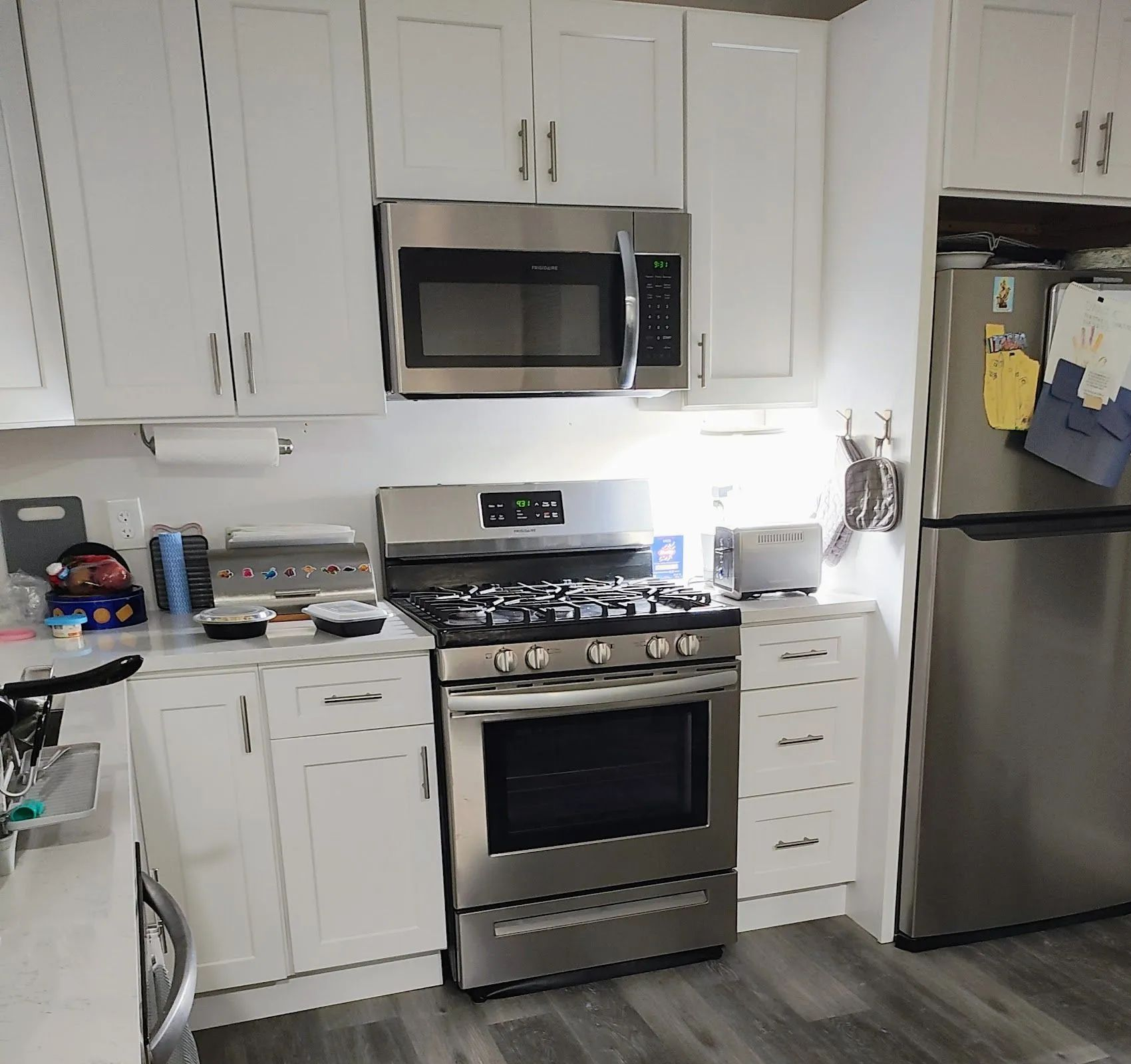
Phased renovation targets one space at a time, often prioritizing rooms by condition, function, or return on investment. A homeowner might start with the kitchen, move to the primary bathroom, and eventually work through secondary bedrooms over three to five years.
This approach works well when the home's core systems are in reasonable condition and the primary goal is cosmetic or functional improvement rather than structural correction. It also allows decisions to evolve as the homeowner lives in the space and refines their priorities.
Structural and Systems Considerations Specific to Rhode Island
Rhode Island's housing market skews older. According to U.S. Census data, a large share of the state's residential properties were built before 1980, and in cities like Pawtucket and Central Falls, pre-1940 construction is common. This matters because older homes frequently have outdated systems that need attention regardless of which renovation path you choose.
When Hidden Conditions Drive the Decision
If an inspection or early demolition work reveals deteriorated electrical panels, galvanized plumbing, or compromised structural members, the case for a gut rehab becomes substantially stronger. Doing room-by-room work around failing infrastructure is like painting over water damage: the surface improves temporarily, but the underlying problem continues to grow.
On the other hand, if a home has already had its systems updated within the last 15 to 20 years and the structure is sound, phased renovations can be executed without triggering a cascade of downstream repairs.
Permitting in Rhode Island
Rhode Island municipalities require permits for structural changes, electrical upgrades, plumbing modifications, and certain HVAC work. In a gut renovation, most of this permitting is consolidated under a single project. Phased renovations require separate permit applications for each phase, which can add administrative overhead over time. Working with a licensed general contractor who understands local permit requirements in Providence County and surrounding areas keeps both approaches on schedule and in compliance.
Comparing the Two Approaches Side by Side
| Factor | Gut Renovation | Room-by-Room Updates |
|---|---|---|
| Timeline | 4 to 12 months, concentrated | 1 to 5+ years, spread out |
| Disruption | High upfront, then complete | Lower per phase, but ongoing |
| Systems coordination | Handled once | May require revisiting |
| Design cohesion | Unified from the start | Requires careful planning |
| Livability during work | Often requires relocation | Usually possible to remain |
| Ideal for | Homes needing structural work | Homes with sound infrastructure |
This comparison is not exhaustive, but it illustrates the core trade-offs that most Rhode Island homeowners need to weigh before committing to a direction.
How to Decide Based on Your Situation
This is paragraph text. Click it or hit the Manage Text button to change the font, color, size, format, and more. To set up site-wide paragraph and title styles, go to Site Theme.
You May Be Better Suited for a Gut Renovation If:
Your home has not had electrical, plumbing, or HVAC work in more than 25 years. You plan to stay in the property for a decade or more. The existing layout does not work for how your household actually lives. You have already identified structural issues through inspection reports. You want a unified aesthetic rather than a home that looks renovated in segments.
You May Be Better Suited for Room-by-Room Updates If:
Your home's core systems are relatively modern and functional. You need to manage the financial commitment across several years. Your household cannot relocate during a
full renovation. One or two rooms are clearly the priority and the rest of the home is in acceptable condition. You want flexibility to adjust scope and design as you go.
A Hybrid Approach Worth Considering
Some homeowners in Rhode Island find value in a hybrid model: beginning with a partial gut that addresses infrastructure and a key space like the kitchen, then completing remaining rooms in phases. This captures the efficiency of coordinated system work while distributing the overall scope. It requires a clear long-term plan from the outset and a contractor who can sequence the work with both phases in mind.
Design Continuity and Long-Term Value
Maintaining Cohesion in a Phased Renovation
One of the legitimate challenges with room-by-room renovation is visual continuity. When design decisions are made years apart, flooring, trim profiles, hardware finishes, and paint palettes can drift out of alignment. The result is a home that feels assembled rather than designed.
Addressing this requires establishing a master design plan before any single room begins, even if individual rooms are executed over years. Selecting a flooring material that will run throughout the home, standardizing trim profiles, and establishing a consistent hardware finish across the project prevents the disconnected look that plagues many phased renovations.
Return on Investment in Rhode Island's Market
Rhode Island's real estate market, particularly in suburban communities like Lincoln, Smithfield, and North Providence, rewards updated kitchens, bathrooms, and mechanical systems. A well-executed gut rehab on a dated property can significantly reposition a home's value relative to comparable properties. Room-by-room updates, when focused on high-impact spaces first, also deliver measurable returns, provided the work is completed to a consistent standard throughout.
Experienced Contractors Guiding Every Rhode Island Renovation Decision
Choosing between a gut renovation and a room-by-room approach is one of the most consequential decisions a Rhode Island homeowner can make. A gut rehab offers coordination, structural integrity, and design unity at the price of concentrated disruption. Phased updates provide flexibility and spread the scope across time, but require careful planning to maintain cohesion and avoid compounding problems. The age and condition of your home, the soundness of its core systems, your household's daily needs, and your long-term plans for the property all factor into which path is right for you. There is no universal answer, but there is always a right answer for your specific situation.
FM Professional Services has spent 10 years working with homeowners across Lincoln, Rhode Island, and the surrounding communities, delivering both full-scale gut renovations and carefully sequenced phased updates. We approach every project with the same standard: an honest assessment of what the structure needs, a clear plan before any work begins, and execution that holds up long after the final inspection. Whether we are managing a complete structural overhaul or guiding a multi-year room-by-room transformation, we bring the same level of rigor to scope, sequencing, and craftsmanship. If you are weighing your renovation options and want a second opinion grounded in real project experience, we are the team Rhode Island homeowners trust to give it to them straight.
FAQs
How do I know if my Rhode Island home needs a gut renovation rather than targeted updates?
Start with a thorough inspection covering electrical, plumbing, HVAC, and structural elements. If multiple systems are aged or failing simultaneously, a gut renovation usually makes more practical sense than addressing them one at a time over several years.
Can I live in my home during a gut rehab?
In most cases, a full gut renovation makes the home uninhabitable for a significant portion of the project due to dust, exposed systems, and safety concerns. Most homeowners in Rhode Island either relocate temporarily or arrange alternative accommodations during the core phase of work.
Does a gut renovation always require more permits than phased work?
Not necessarily more permits, but the permitting is typically consolidated into one larger application rather than multiple smaller ones. For homeowners, this often means a single approval process rather than repeated trips through the local building department.
What rooms should I prioritize if I choose a phased renovation approach?
Kitchens and primary bathrooms tend to deliver the strongest functional improvement and market value return. Addressing these spaces first also reduces daily friction, which makes it easier to continue living in the home while subsequent phases are planned.
How do I prevent design inconsistencies when renovating room by room over several years?
Develop a whole-home design plan before starting the first room. Document your flooring selections, trim profiles, hardware finishes, and color palette so that each phase reinforces rather than contradicts the one before it.