When Should You Hire a General Contractor for Your Project?
Undertaking a construction or renovation project can be an exciting yet complex endeavor. Whether it’s building your dream home, remodeling a kitchen, or constructing a commercial space, managing the entire process requires careful planning, coordination, and expertise. Many homeowners and business owners often face the question: should I manage this project myself, or is it time to hire a professional general contractor? Understanding the scope of your project and the challenges involved is crucial in making this decision.
A general contractor acts as the central point of contact, overseeing every aspect of construction, from securing permits to managing subcontractors and ensuring that work meets quality and safety standards. Their experience and expertise can prevent costly mistakes, reduce delays, and ensure your project stays on budget. However, not every project necessitates a general contractor. Identifying the right time to hire one can save you time, money, and stress. This guide will help you explore the scenarios where engaging a general contractor is not just beneficial but essential, providing actionable insights, examples, and expert reasoning to help you make an informed choice.
Understanding the Role of a General Contractor
What Does a General Contractor Do?
A general contractor is a licensed professional responsible for overseeing a construction or renovation project from start to finish. Their duties include coordinating schedules, hiring subcontractors, managing budgets, securing permits, and ensuring compliance with building codes and safety regulations. Essentially, a general contractor acts as the project manager, allowing homeowners or business owners to focus on their vision without getting bogged down by logistical details.
Key Responsibilities
- Project Planning: Creating detailed timelines and cost estimates.
- Hiring and Managing Subcontractors: Ensuring each trade, from electricians to plumbers, completes work on schedule.
- Quality Control: Inspecting work to meet industry standards.
- Problem Solving: Addressing unexpected challenges promptly to prevent delays.
- Permitting and Compliance: Ensuring all local building codes and regulations are met.
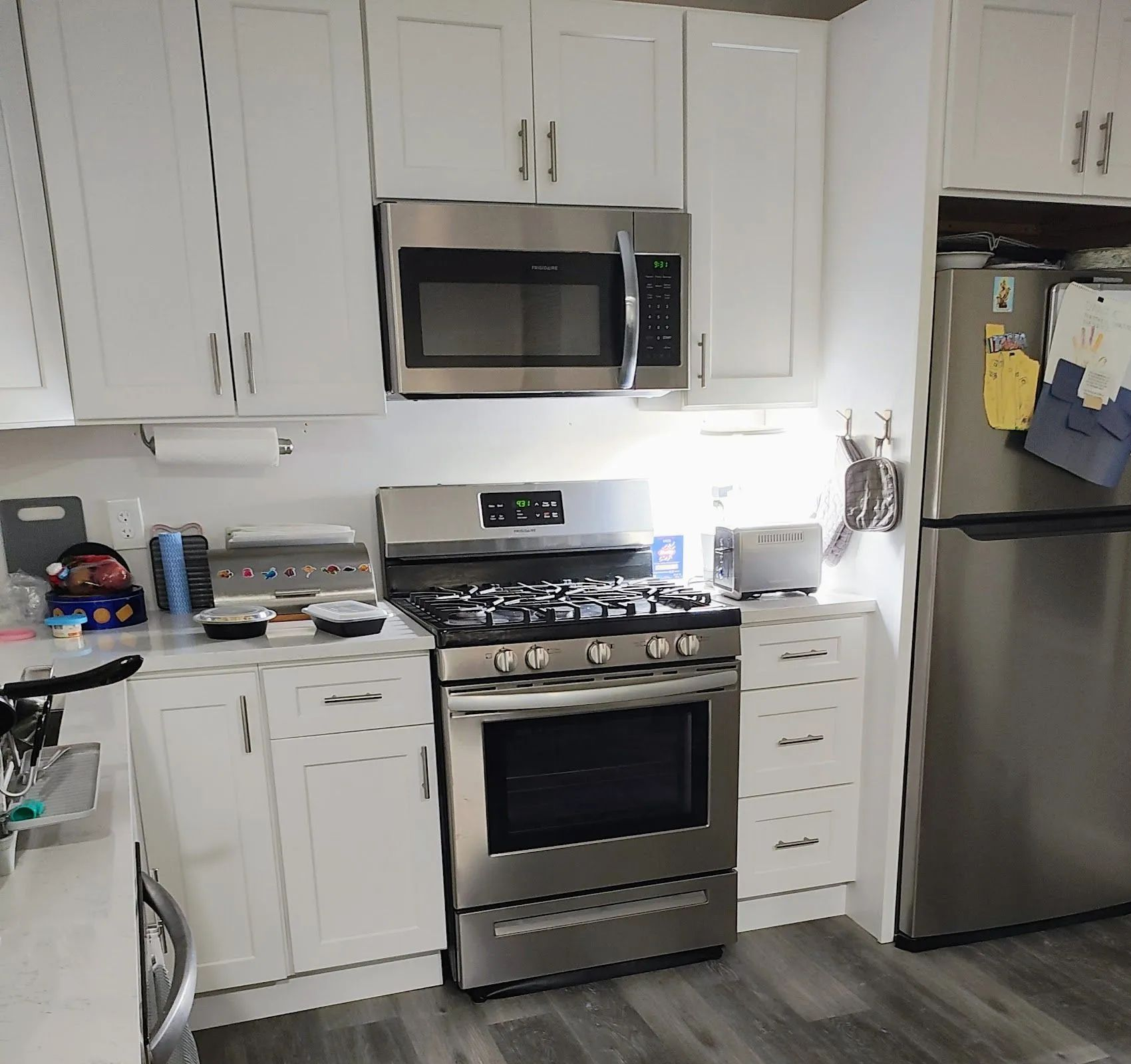
Example: For a kitchen renovation involving plumbing, electrical work, and custom cabinetry, a general contractor coordinates all trades, schedules deliveries, and ensures work aligns with your design vision.
Why Their Role Matters
Hiring a general contractor is particularly beneficial for projects with multiple trades, complex logistics, or strict timelines. They reduce the risk of miscommunication between subcontractors, prevent budget overruns, and ensure the project progresses smoothly from conception to completion.
Indicators That You Need a General Contractor
Project Complexity
Not all projects require a general contractor. Small-scale projects like painting a single room or replacing a faucet may not need professional oversight or management. However, as project complexity increases—such as full-home renovations, additions, or large commercial builds—the need for a general contractor becomes more pronounced and critical for success.
Real-World Scenario: Consider a two-story home addition. Without a general contractor, the homeowner must manage framing, plumbing, electrical, roofing, and finishing work simultaneously. Coordinating all these trades effectively is extremely challenging without professional experience, potentially leading to costly delays, mistakes, and unnecessary stress.
Budget and Timeline Considerations
General contractors help keep your project within budget and on schedule more efficiently. They provide accurate cost estimates, negotiate with subcontractors, and continuously monitor expenses to prevent unexpected overruns or last-minute financial surprises.
Example: A commercial office remodel with a tight deadline benefits greatly from a general contractor who ensures subcontractors adhere strictly to timelines, materials arrive on schedule, and any unforeseen issues are resolved quickly to avoid costly project setbacks.
Regulatory Compliance
Navigating building permits, zoning laws, and local construction regulations can often be overwhelming for homeowners. General contractors handle these requirements efficiently, reducing the risk of fines, legal complications, or serious project delays.
Expert Tip: If your project involves structural changes, electrical upgrades, or plumbing modifications, hiring a licensed general contractor is absolutely crucial to ensure compliance with all applicable local building codes and safety regulations.
Benefits of Hiring a General Contractor
Time Savings
One of the most significant advantages of hiring a general contractor is the remarkable time efficiency they provide. General contractors coordinate every aspect of your project, freeing you from constant supervision, stress, and troubleshooting.
Example: During a full home renovation, a general contractor manages subcontractors’ schedules, tracks project milestones, and ensures work progresses smoothly without interruptions. This allows homeowners to focus entirely on design decisions and personal priorities.
Cost Efficiency
While hiring a general contractor involves an upfront cost, it often saves money in the long run significantly. Their expertise helps avoid mistakes, rework, and delays that could quickly escalate project expenses unnecessarily.
Scenario: A DIY kitchen remodel may seem cost-effective initially, but errors in plumbing or electrical work can result in expensive repairs. A general contractor’s professional experience effectively mitigates these financial and technical risks.
Access to Skilled Subcontractors
General contractors have established relationships with reliable, skilled subcontractors, ensuring quality workmanship throughout the project. They can vet tradespeople based on experience, certifications, and reliability, saving homeowners the time and stress of sourcing and verifying each professional individually.
Improved Project Quality
General contractors maintain consistently high standards by supervising every stage of construction closely. From foundation work to finishing touches, their oversight ensures the final result meets both design expectations, safety requirements, and long-term durability standards.
Challenges and Considerations
Budget Constraints
Hiring a general contractor comes with fees, typically calculated as a percentage of the total project cost. While this is often justified by time savings, quality, and reduced stress, some homeowners may face strict budget limitations that need careful planning.
Tip: Obtain multiple quotes from several contractors and ensure you fully understand what is included—some provide complete full-service management, while others may offer only partial oversight for specific project phases.
Selecting the Right Contractor
Not all contractors deliver the same level of quality or reliability. Choosing a licensed, insured, and experienced professional is absolutely essential. Checking references, reviewing past projects, and reading contracts thoroughly helps mitigate potential risks and ensures smooth execution.
Example: For a large commercial build, hiring an inexperienced contractor may result in poor scheduling, substandard workmanship, or missed inspections, which can lead to significant delays, cost overruns, and frustration.
Potential Communication Issues
While general contractors simplify overall project management, clear and consistent communication remains critical throughout. Setting expectations upfront regarding budget, scope, and design vision ensures a smooth working relationship and prevents unnecessary conflicts.
Best Practice: Hold regular progress meetings, clarify any changes in scope immediately, and document agreements in writing to prevent misunderstandings, delays, and costly errors.
Best Practices for Hiring a General Contractor
Define Your Project Scope
Before approaching a contractor, clearly outline your project’s objectives, desired outcomes, and realistic budget. A well-defined scope allows contractors to provide accurate estimates, timelines, and resource planning for smoother project execution.
Example: For a kitchen remodel, specify details such as the number of cabinets, appliances, flooring type, and any electrical or plumbing changes planned. This reduces ambiguity and ensures the contractor delivers exactly what you envision.
Conduct Thorough Research
Check licenses, insurance coverage, online reviews, and past project portfolios carefully. Seek referrals from trusted sources or local industry associations for additional confidence in contractor reliability.
Expert Insight: Contractors with prior experience in projects similar to yours are far better equipped to anticipate challenges, solve problems efficiently, and deliver consistently high-quality results.
Request Detailed Contracts
Contracts should clearly outline project scope, timelines, payment schedules, responsibilities, and procedures for handling unexpected costs, changes, or delays. This protects both parties and sets realistic expectations.
Maintain Open Communication
Regular updates, site visits, and progress reports help maintain alignment between your expectations and project execution. Open communication reduces misunderstandings, ensures timely decision-making, and strengthens the client-contractor relationship.
When DIY Might Be a Better Option
Small or Simple Projects
Projects like painting, minor landscaping, or small repairs may not require a general contractor. Homeowners with basic skills, sufficient time, and patience can manage these effectively, keeping overall costs low and manageable.
Strong Personal Expertise
If you have construction experience, technical knowledge, and access to skilled tradespeople, managing your own project may be feasible and practical. However, this requires careful time management, organization, and safety awareness to avoid delays or costly mistakes.
Scenario: A homeowner with carpentry experience taking on a small deck build may save money without needing a general contractor, provided safety, code compliance, and structural integrity are fully maintained.
Budget-Driven Decisions
For projects with tight budgets, homeowners may opt to manage the project themselves. In such cases, it is crucial to carefully weigh potential cost savings against the risk of mistakes, project delays, or code violations that could increase expenses in the long run.
Key Takeaways for Hiring a General Contractor
Deciding when to hire a general contractor depends on your project’s complexity, budget, and timeline. Large-scale renovations, structural changes, and commercial builds typically require the expertise and oversight that only a licensed contractor can provide. Their role in managing subcontractors, ensuring regulatory compliance, maintaining schedules, and controlling costs is invaluable. By recognizing the right time to engage a general contractor, homeowners and business owners can avoid unnecessary stress, costly mistakes, and project delays.
FM Professional Services, located in Lincoln, Rhode Island, brings over 10
years of experience in managing residential and commercial projects. Our team specializes in providing comprehensive general contracting services that prioritize quality, efficiency, and client satisfaction. From initial planning to project completion, we coordinate every aspect of construction, ensuring compliance with all building codes while maintaining a seamless process. Trust FM Professional Services
to turn your vision into reality with professionalism, reliability, and a commitment to excellence, making your construction or renovation project a smooth, stress-free experience.